Home
/ Adverb Manner Place And Time : Adverbs Of Frequency, Near, there, here, somewhere, inside, outside, ahead, top, high, bottom, etc.
Adverb Manner Place And Time : Adverbs Of Frequency, Near, there, here, somewhere, inside, outside, ahead, top, high, bottom, etc.
Adverb Manner Place And Time : Adverbs Of Frequency, Near, there, here, somewhere, inside, outside, ahead, top, high, bottom, etc.. Manner, place, frequency, time, reason/purpose. Adverbs of manner add more information to verbs to make them more specific. They are also used to tell us how long an event lasted and how often it happens. The difference between an adverb and an adjective is the following basically, most adverbs tell you how , in what way , when , where , and to what extent something is done. I don't know how to identify adverbs of time, place, manner, and frequency. i've published 11 books and many articles.
Don't waste your time on. Most adverbs can be placed in different parts of a sentence without changing the meaning of the sentence. We use adverbs of time to tell us when an event happened. For example he ran doesn't say much about how he ran. An adverb of manner will explain how an action is carried out.
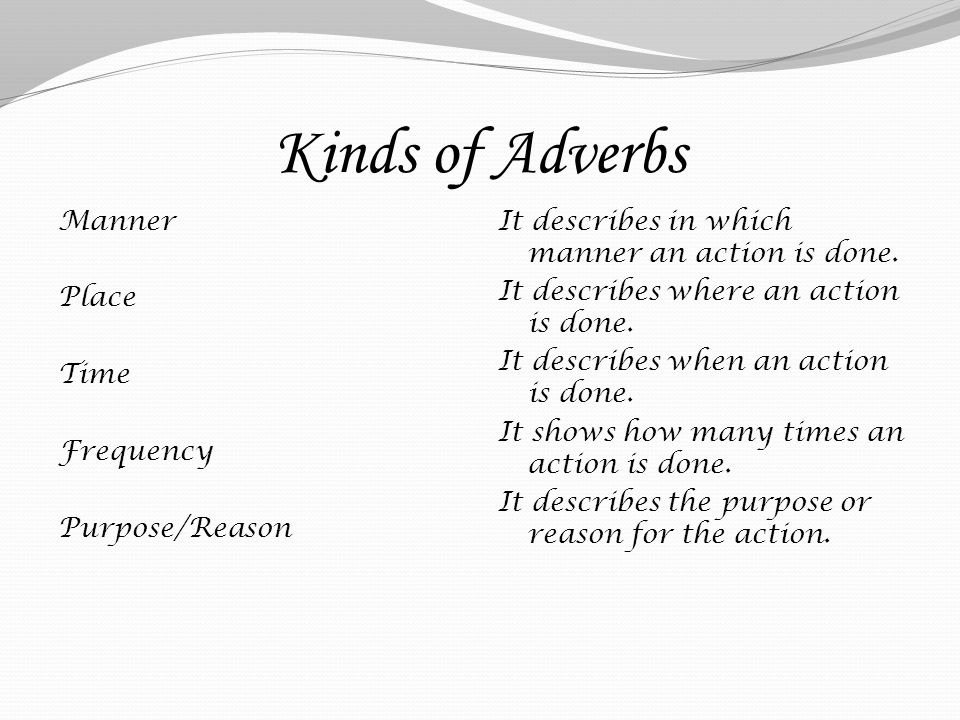
K6 Time Manner Place Youtube from i.ytimg.com Angrily, happily, easily, sadly, rudely, loudly, fluently, greedily, etc. Adverbs of manner usually answer questions of how. * *description coming soon!** to learn more about our monthly master english conversation audio and video lessons, and to get fluent in english faster with our free newsletter and email video course for students, visit us. All things considered, adverbs are common parts of speech and sentence structure. For adverbs of time, place, manner, frequency, and degree, we've provided examples that we use in everyday english. An adverb of manner will explain how an action is carried out. Contrast, purpose, cause, effect, comparison, time, place, manner, and condition. In english we often use words called adverbs to describe frequency, manner, place and time.
Adverbs of manner add more information to verbs to make them more specific.
All things considered, adverbs are common parts of speech and sentence structure. Near, there, here, somewhere, inside, outside, ahead, top, high, bottom, etc. Don't miss our complete guide to adverb clauses with definitions. Adverbs of manner, place and time usually come in end position: Learn adverbs of definite frequency! Adverbs of manner usually answer questions of how. Don't waste your time on. The difference between an adverb and an adjective is the following basically, most adverbs tell you how , in what way , when , where , and to what extent something is done. Adverbs of manner, time, place, degree, frequency, comment, etc. Adverb clauses (adverbial clauses) are groups of words with a subject and a verb that function as adverbs. Consider this google ngram showing that stay at home alone beats stay alone at home, but not overwhelmingly. We use adverbs of time to tell us when an event happened. Yesterday, now, then, tomorrow, today, late, early, tonight, again, soon etc.
An adverb is a word that describes a verb, adjective, other adverb, or clause.. Don't waste your time on. To place an adverb at the beginning of a sentence or clause is also known as 'initial position adverb placement' adverbs of manner are used to describe how something is done, and are generally placed at the ends of sentences or clauses. Learn adverbs of definite frequency! For adverbs of place and manner, i believe there is not a general order that is usually followed in english.
Grammar Pill Adverbs Adverb Basically Most Adverbs Tell You How Where Or When Some Thing Is Done In Other Words They Describe The Manner Place Ppt Download from images.slideplayer.com The difference is, when the. In english we often use words called adverbs to describe frequency, manner, place and time. Most adverbs can be placed in different parts of a sentence without changing the meaning of the sentence. Adverbs of time do go last, something both your references agree on. An adverb is a word that describes a verb, adjective, other adverb, or clause.. Very often adverbs of manner are adverbs of place will be associated with the action of the verb in a sentence, providing context for many times, adverbs of place can be used as prepositions as well. When there is more than one of the three types of adverb together, they usually go in the order: In other words, they describe the manner , place , or time of an action.
Don't miss our complete guide to adverb clauses with definitions.
An adverb phrase consists of an adverb plus any modifiers. Adverbs of manner, time, place, degree, frequency, comment, etc. Most adverbs can be placed in different parts of a sentence without changing the meaning of the sentence. For adverbs of place and manner, i believe there is not a general order that is usually followed in english. Adverbs in the middle | adverb placement. Contrast, purpose, cause, effect, comparison, time, place, manner, and condition. Angrily, happily, easily, sadly, rudely, loudly, fluently, greedily, etc. For adverbs of time, place, manner, frequency, and degree, we've provided examples that we use in everyday english. An adverb is a word that describes a verb, adjective, other adverb, or clause.. Learn adverbs of indefinite frequency! When there is more than one of the three types of adverb together, they usually go in the order: Adverbs of manner usually answer questions of how. Near, there, here, somewhere, inside, outside, ahead, top, high, bottom, etc.
They are also used to tell us how long an event lasted and how often it happens. Manner, place, frequency, time, reason/purpose. Early, earlier, late, later, now, then, today, tomorrow, and yesterday. These adverbs indicate a situation dealing with time. Don't miss our complete guide to adverb clauses with definitions.
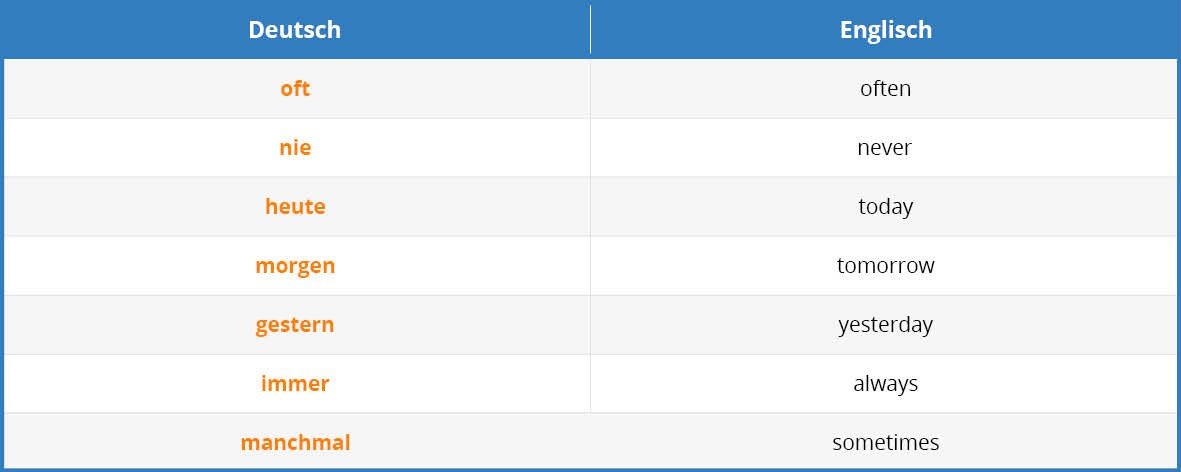
German Adverbs Learn German Adverbs With Language Easy Org from language-easy.org Contrast, purpose, cause, effect, comparison, time, place, manner, and condition. In english we often use words called adverbs to describe frequency, manner, place and time. The difference between an adverb and an adjective is the following basically, most adverbs tell you how , in what way , when , where , and to what extent something is done. Adverbs of manner, place and time usually come in end position: For adverbs of time, place, manner, frequency, and degree, we've provided examples that we use in everyday english. We use adverbs of time to tell us when an event happened. They are also used to tell us how long an event lasted and how often it happens. Adverb clauses (adverbial clauses) are groups of words with a subject and a verb that function as adverbs.
Consider this google ngram showing that stay at home alone beats stay alone at home, but not overwhelmingly.
Don't waste your time on. In english we often use words called adverbs to describe frequency, manner, place and time. Mid position adverbs of manner are used in this position mainly in literary style, although they normally go in this position with passive verb forms. Adverbs of manner add more information to verbs to make them more specific. There are many different types: All things considered, adverbs are common parts of speech and sentence structure. I don't know how to identify adverbs of time, place, manner, and frequency. i've published 11 books and many articles. These adverbs indicate a situation dealing with time. We use adverbs of time to tell us when an event happened. When there is more than one of the three types of adverb together, they usually go in the order: They are also used to tell us how long an event lasted and how often it happens. Наречия места where (adverbs of place) наречия образа действия how (adverbs of manner) the professor explained the theory three times and extremely patiently => профессор. Adverbs of manner, place and time usually come in end position: